Keeping You Safe
Keeping You Safe
As your landlord, we are legally responsible for ensuring your home meets certain safety standards and ensuring you are safe.
This means, we need to check different things in your home from time to time and within certain timescales.
Read more about how we keep you safe below.
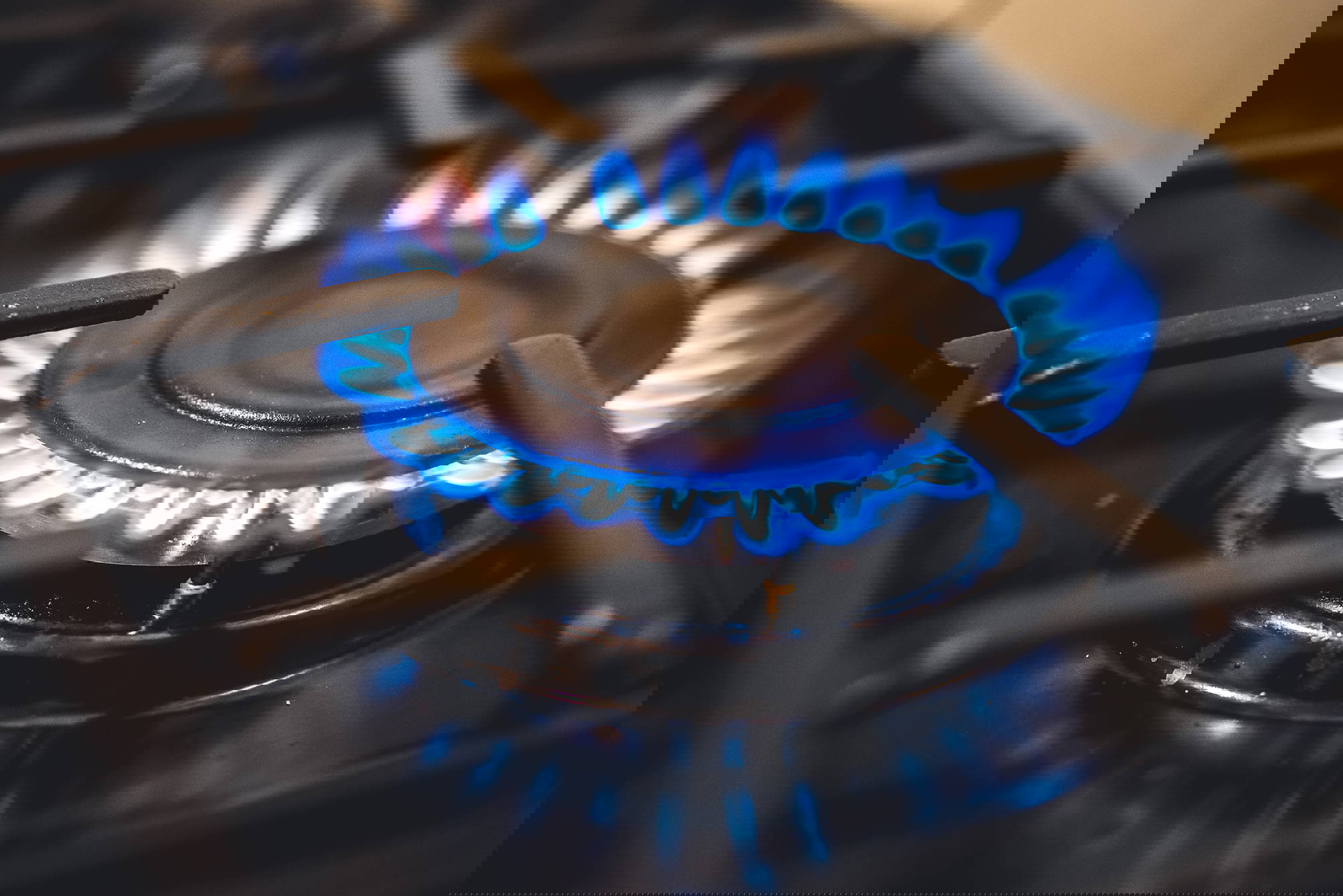
Gas Safety Checks
If you smell gas – please call 0800 111 999 at once.
We are legally required to ensure our homes always have a valid gas safety certificate.
It is a condition of tenancy that we are allowed access when required to inspect, service or repair gas pipework or boilers. This usually means an annual service, although sometimes more frequent visits may be needed.
We are required to arrange a service even in homes where the gas supply has been capped and is not used.
We will let you know when the servicing is due and will contact you with a servicing date. We ask that you allow our contractor access to your property to complete this work – if the date given is unsuitable to you, please let them us know and provide a date that will work for you.
Most of our customers allow access for this work to take place. However, failure to provide access will mean we will take further action to ensure your safety and that of your neighbours is not compromised.
This might include capping your supply.
If you think you might have problems providing access for the annual service, please contact us and we will do what we can to help.
If you repeatedly fail to keep your appointment without letting us or our contractor know, you may be charged the cost of the contractor’s time.
Carbon Monoxide
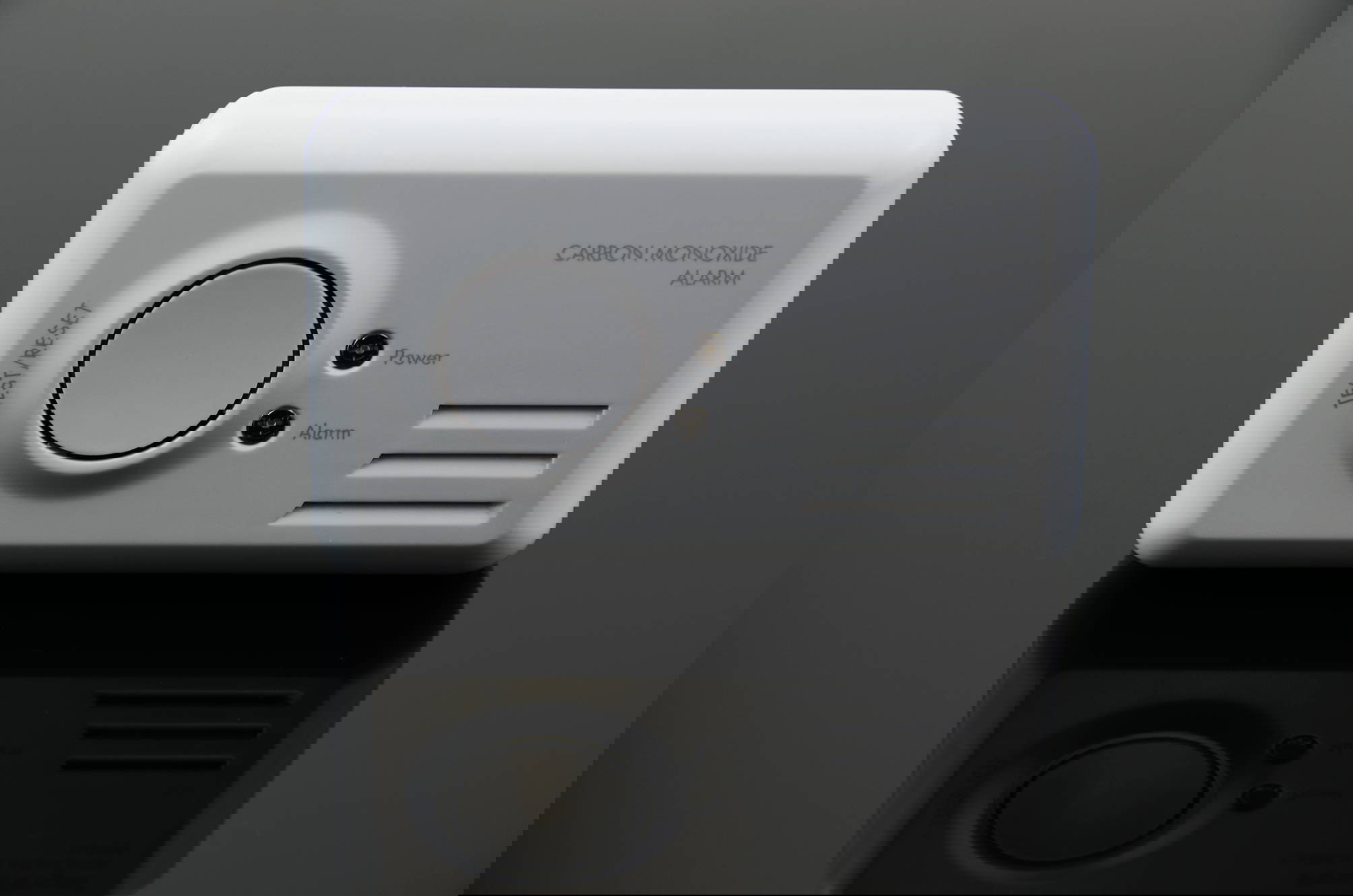
Carbon Monoxide (CO) is an extremely dangerous gas that has no colour, smell or taste and cannot be detected by the human senses. It is produced when fossil fuel (gas, oil, wood, etc) is not burnt properly. The symptoms of carbon monoxide poisoning can be easily mistaken for flu, making it extremely dangerous and difficult to recognise.
Carbon Monoxide Detectors installed in our properties are generally stand-alone and not linked to the smoke/heat detectors, therefore they will not trigger other devices in the property.
- If your carbon monoxide detector is activated, please;
- Turn off and stop using all the appliances that you suspect could be causing the carbon monoxide leak
- Open as many doors/windows as possible to allow fresh air to circulate and reduce the concentration of Carbon Monoxide
- Evacuate the property as soon as possible
- Contact the gas emergency services 0800 111 999
- Contact us to advise us of the situation
If anyone is suffering from the symptoms or effects of carbon monoxide poisoning seek medical advice immediately.
Electrical Safety Testing
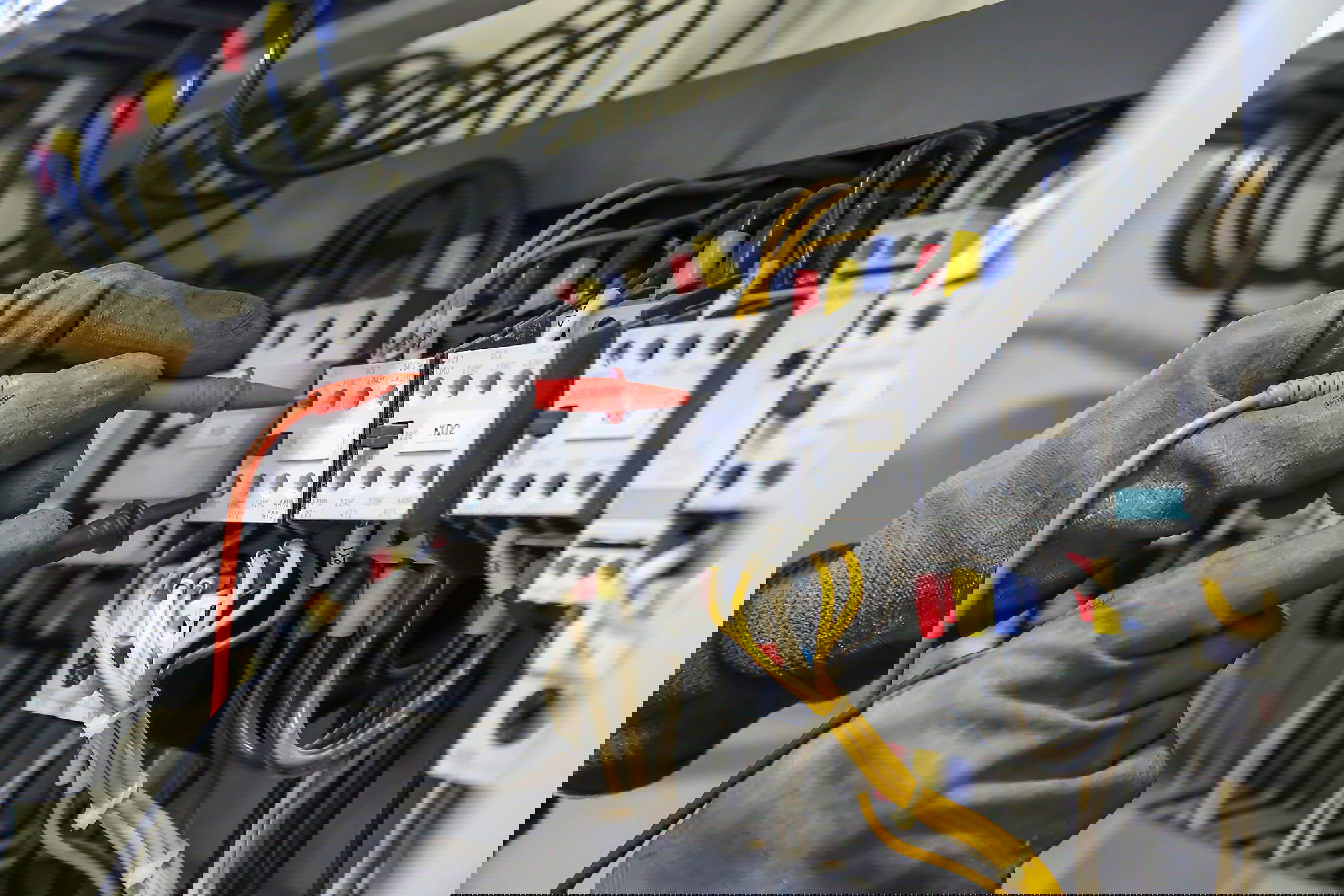
As part of our legal duties to protect the safety of you, your family and neighbours, it is recommended that the electrical installation in your home is inspected and tested at least every five years.
During the inspection, the electrical contractor will:
Your home might require some remedial work to ensure that the electrical systems are safe to use and to obtain a satisfactory test certificate. It is of the utmost importance that these works are undertaken to ensure the safety and security of you, your family, and your neighbours. Most remedial work will involve changing a faulty socket or an alteration at the consumer unit.
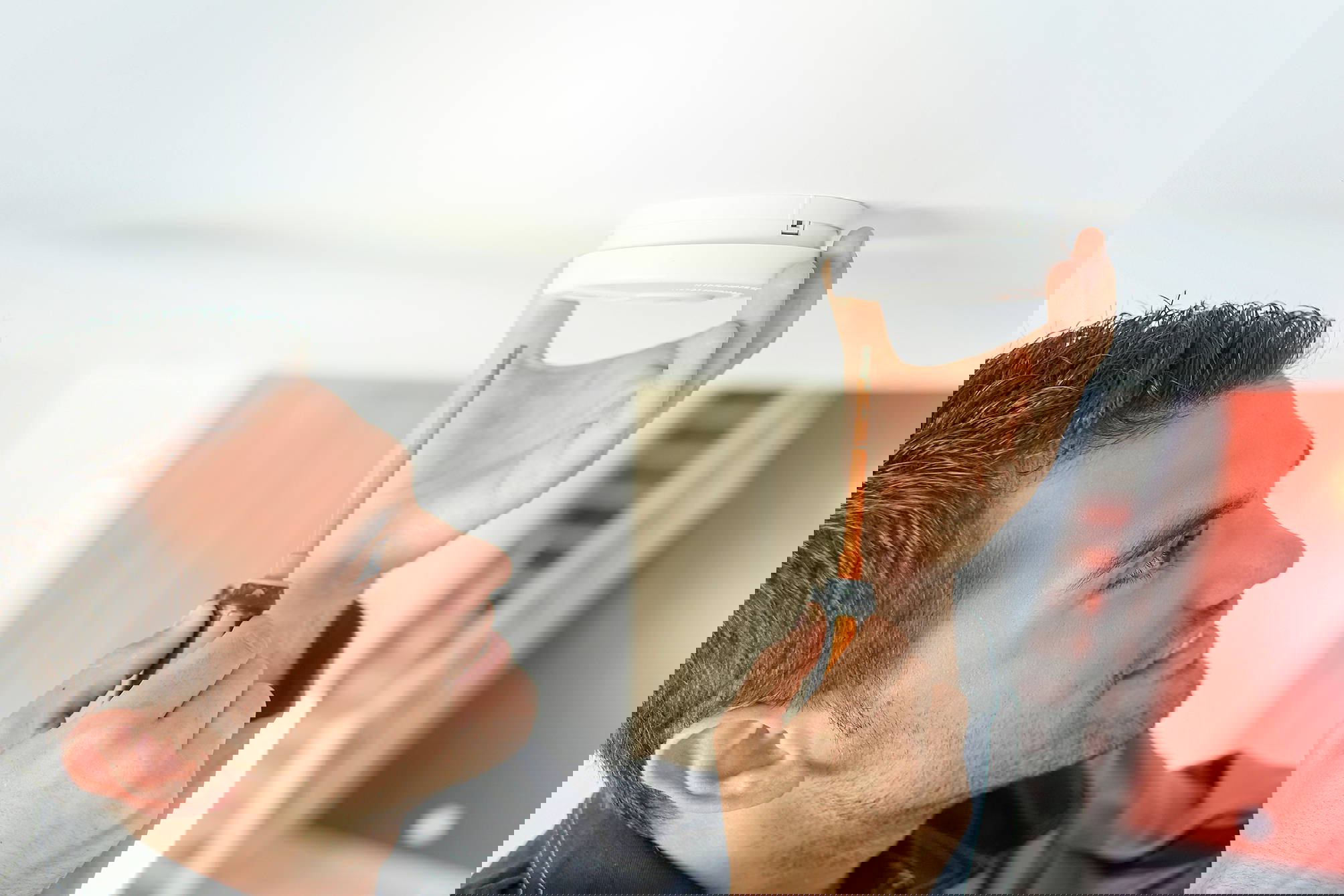
Smoke & Fire Alarms
All our homes have at least:
All smoke and heat alarms should be mounted on the ceiling.
It is your responsibility to test your smoke alarms regularly.
Supported – communal areas we check, do we offer help with testing individual smoke alarms if needed?
Asbestos
Properties built before 2000 could contain asbestos in several different areas. Asbestos is safe if it is undisturbed, so you should not carry out any alterations to your property without first asking for permission and consulting us, so that necessary safety checks can be made. If required, any asbestos will be removed or encapsulated.

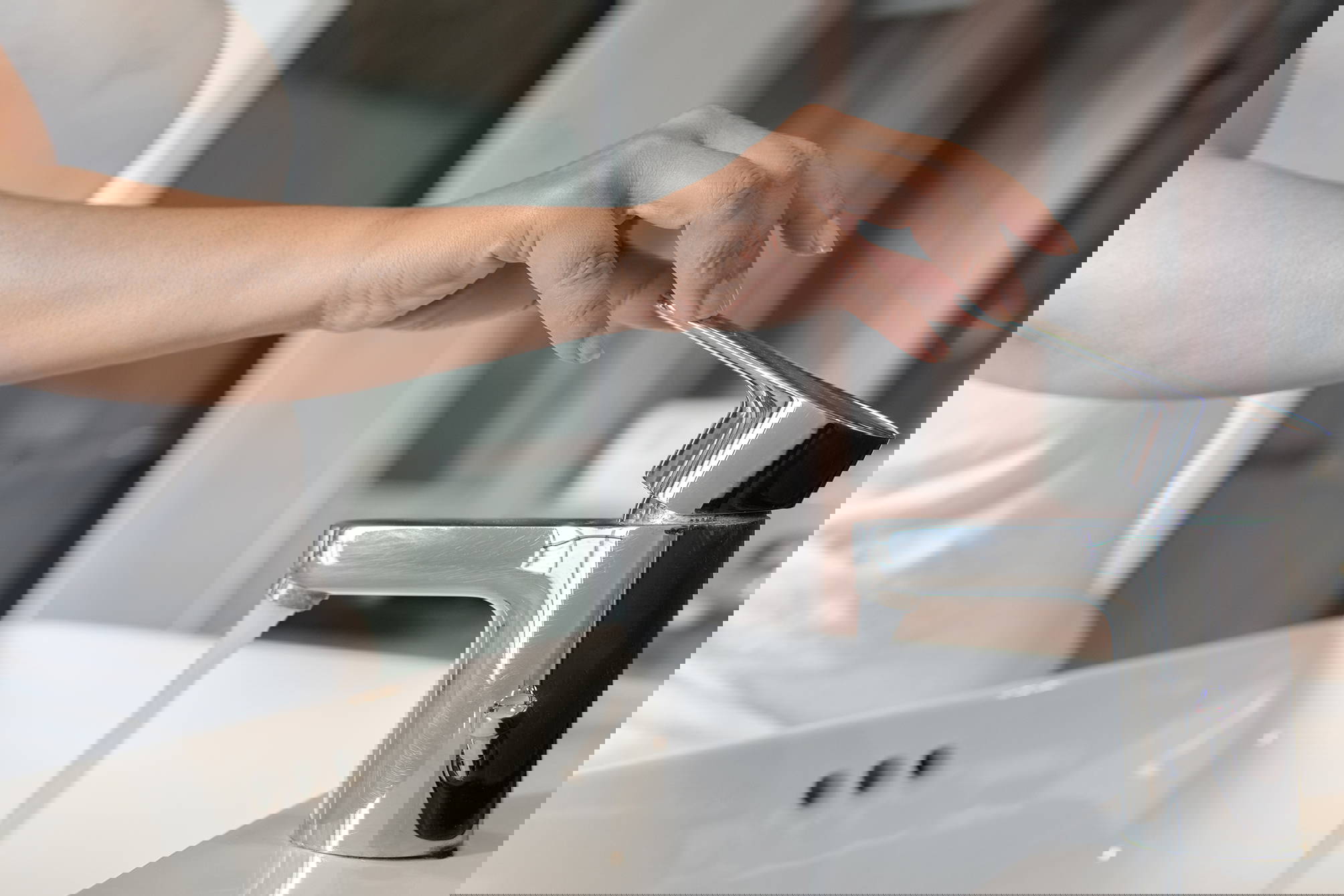
Water Hygiene Testing
It is unlikely that you will be at risk from legionella bacteria in your home water system. Mains supply water is treated by water companies, so contamination would have to occur between the water plant and your home. Although the risk of legionella within a home water system is low, we do still advise taking the following precautions: