
Condensation, damp and mould
Find out how to prevent condensation and mould, remove mould safely, and report a problem in your home.
Types of Dampness
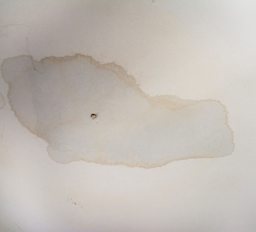
Penetrating Dampness
This type of dampness is usually found on external walls or due to roof leaks on ceilings. It only appears because of a defect outside the home, such as missing pointing, cracked rendering, missing roof tiles or defective rainwater goods.
Penetrating dampness is far more noticeable following rainfall and will normally appear as a ‘damp-patch’ which looks and feels damp to the touch.
Black mould is rarely seen on areas of penetrating dampness. This is because the affected area is usually too wet and the dampness contains salts picked up when passing through the wall, which prevent the growth of black mould.
Defective Plumbing
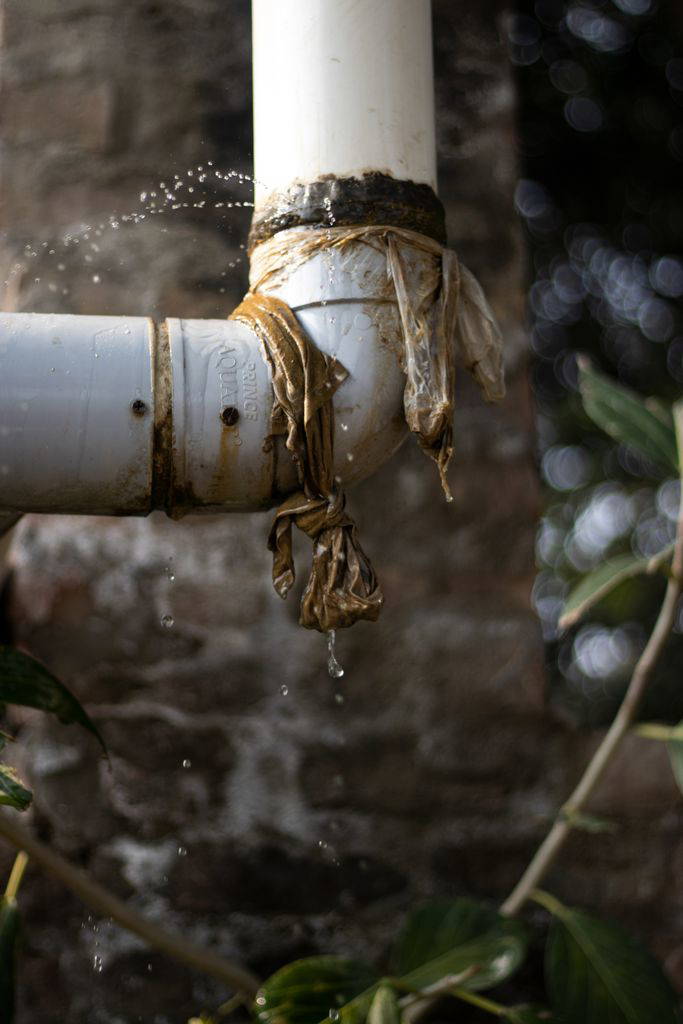
Leaks from water and waste pipes, especially in bathrooms and kitchens are relatively common. The affected area looks and feels damp to the touch and remains damp whatever the weather conditions outside. Black mould is rarely seen on this type of dampness as the area is usually too wet and the chemicals in a waste water leak will prevent mould growth.
Rising Damp
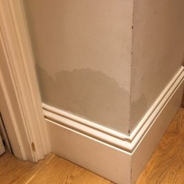
This is generally caused by water rising from the ground into the home. The water gets through or round a broken damp proof course or passes through the natural brickwork if the property has no DPC. It will normally rise no more than 12 to 24 inches above ground level and usually leaves a ‘tide mark’ low on the wall. You may also notice white salts on the affected areas
Condensation
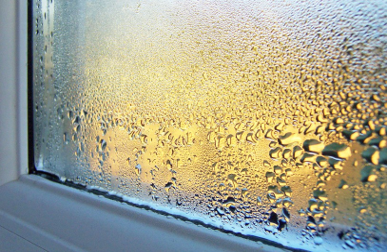
This is by far the most common cause of dampness. Condensation is caused by water vapour or moisture from inside the home coming into contact with a colder surface, such as a window or wall. The condensation may then soak into the wallpaper, paintwork or plasterwork. In time, the affected damp areas then attract black mould that grows on its surface.
Condensation mainly occurs during the colder months, whether it is rainy or dry outside. It is usually found in the corners of rooms, north facing walls and on or near windows. It is also found in areas of poor air circulation such as behind wardrobes and beds, especially when they are pushed up against external walls.
What causes condensation
How to prevent condensation
- When cooking, bathing or showering, open a window or use ventilation. Keep the door closed and continue ventilating briefly afterwards.
- Open bedroom windows for up to one hour after getting up.
- Use trickle vents or open windows slightly for 30 minutes to one hour rather than leaving them open all day.
- Ventilate cupboards and wardrobes, and avoid overfilling them.
- Keep mechanical extraction running where provided. The estimated average cost is £9.20 a year.
Keep your home warm
In cold weather, steady background heat can reduce condensation better than short bursts of high heat. Use radiator controls, a thermostat and a timer to manage comfort and cost.
Keep your heating between 18°C and 21°C.
Let air circulate
Keep window sills clear so you can open windows and wipe surfaces.
Leave space between furniture and cold walls.
Do not block chimneys or flues completely. Fit an air vent and meet all gas-appliance ventilation requirements.
Remove mould safely
Mould can grow on walls, ceilings, furnishings and even on clothes and toys, which can be depressing and expensive.
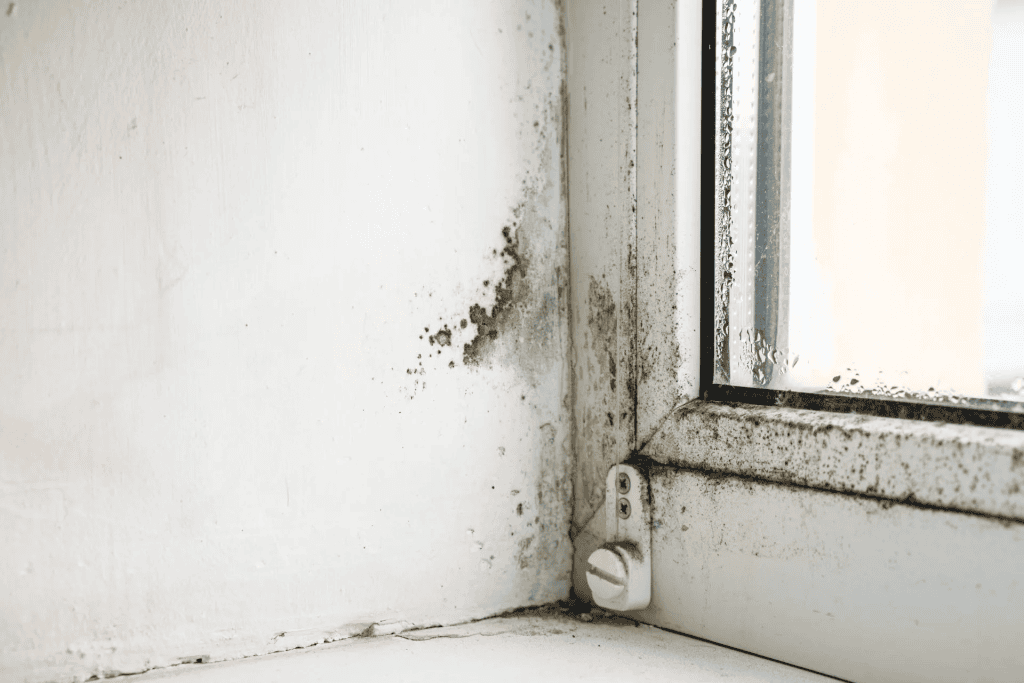
Carefully remove excess mould with a damp cloth and throw away afterwards. Or if possible, use a vacuum cleaner and empty afterwards.
Dry clean affected clothes and shampoo carpets where necessary.
Wipe down affected areas using a fungicidal wash or diluted bleach – remember always use rubber gloves and wear safety glasses.
After treatment redecorate using a fungicidal paint – do not paint overusing an ordinary paint as mould is likely to grow back.
Do not brush mould. This can release spores into the air.
How we can help
If you report a damp or mould problem, we will:
- Work with you to identify the cause.
- Repair any defects we find.
- After treatment, redecorate with specialist bathroom or kitchen paint. For wallpaper, we will use good-quality paste with an anti-fungal additive.
- Where possible, provide mechanical ventilation with a humidity sensor.